
Damp Survey Importance UK: Why a Damp Survey is Necessary for Your Home
When you own or manage a property, understanding its condition is crucial. One key aspect often overlooked is damp. Damp can cause serious damage to a building’s structure and affect the health of those living inside. That is why a damp survey is essential. It helps identify problems early and prevents costly repairs later. In this article, I explain why a damp survey is necessary and how it benefits your home.
Understanding Damp Survey Importance UK
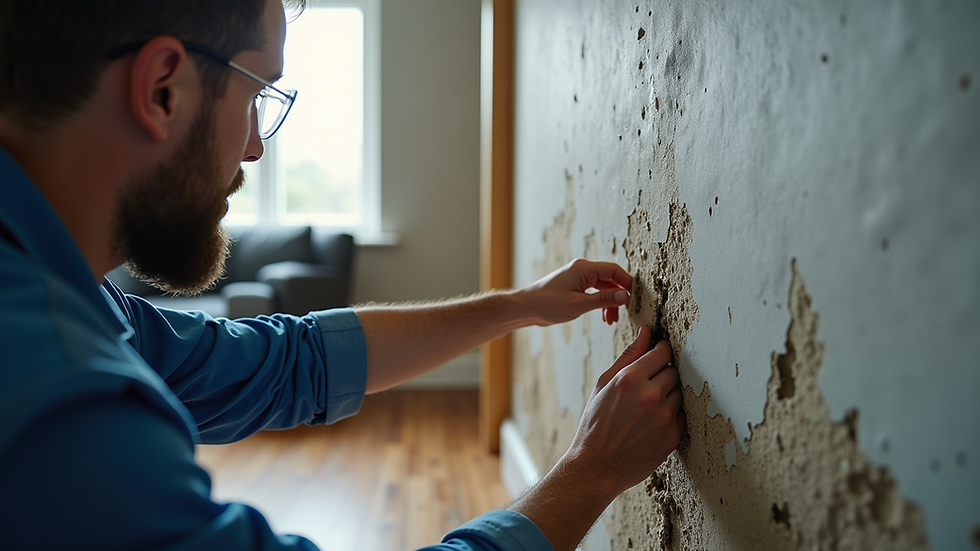
A damp survey is a thorough inspection of a property to detect moisture issues. It looks for signs of rising damp, penetrating damp, and condensation. These problems can weaken walls, damage plaster, and cause mould growth. The surveyor uses specialised tools and experience to find hidden damp spots that are not visible to the naked eye.
In the UK, damp is a common issue due to the climate. Rain, humidity, and poor ventilation contribute to moisture problems. A damp survey importance UK cannot be overstated because it helps protect your investment. It also ensures your home remains safe and comfortable.
Regular damp surveys allow you to:
Spot damp early before it spreads
Identify the cause of damp accurately
Get professional advice on treatment options
Avoid expensive repairs in the future
Maintain the value of your property

How a Damp Survey Protects Your Home
Damp can cause serious damage if left untreated. It weakens brickwork and timber, leading to structural problems. It also ruins paint and wallpaper, making your home look unattractive. More importantly, damp encourages mould growth, which can cause respiratory problems and allergies.
A damp survey helps you understand the extent of the problem. The surveyor checks walls, floors, and ceilings for moisture. They use moisture meters and thermal imaging cameras to detect hidden damp. This detailed inspection ensures no area is missed.
Once the survey is complete, you receive a report. This report explains the type of damp, its cause, and recommended solutions. Acting on this advice quickly can save you money and stress.
What are red flags on a house survey?
When buying or selling a property, a house survey is vital. It highlights any issues that could affect the sale or your decision to buy. Red flags related to damp include:
Peeling or bubbling paint on walls
Musty or damp smells inside the property
Visible mould patches on walls or ceilings
Damp patches or water stains on plaster
Crumbling or soft brickwork
Efflorescence (white salt deposits) on walls
Rotting timber or skirting boards
These signs indicate moisture problems that need further investigation. A damp survey can confirm the cause and severity of the issue. It also helps you negotiate repairs or price adjustments when buying a home.

When Should You Get a Damp Survey?
It is wise to get a damp survey in several situations:
Before buying a property - To avoid unexpected damp problems after purchase.
If you notice damp signs - Such as mould, stains, or musty smells.
When planning renovations - To ensure damp issues do not affect your work.
If your home is older - Older buildings are more prone to damp.
After flooding or leaks - To check for hidden moisture damage.
If you wonder is a damp survey necessary, the answer is yes. It is a small investment that protects your home and health.
How to Choose a Reliable Damp Surveyor
Choosing the right professional is important. Look for a surveyor who:
Has experience in damp surveys in the UK
Uses modern tools like moisture meters and thermal cameras
Provides a clear, detailed report with photos
Offers honest advice without pushing unnecessary work
Has good reviews or recommendations
A trustworthy surveyor helps you understand the problem and the best way to fix it. Avoid companies that rush the survey or give vague answers.
Taking Action After a Damp Survey
Once you have the survey report, take the recommended steps. These may include:
Improving ventilation to reduce condensation
Repairing leaks in gutters or roofs
Installing damp proof courses or membranes
Treating mould with appropriate cleaners
Replastering walls with breathable materials
Addressing damp early prevents further damage and keeps your home healthy. If you rent out your property, fixing damp issues also protects your tenants.
Keeping Your Home Damp-Free
After treatment, maintain your home to avoid future damp problems:
Keep gutters and drains clear
Use extractor fans in kitchens and bathrooms
Avoid drying clothes indoors
Check for leaks regularly
Maintain heating to reduce condensation
Regular checks and good habits help keep your home dry and comfortable.
Protect Your Property with a Damp Survey
A damp survey is a vital step in caring for your home. It uncovers hidden moisture problems and guides you on how to fix them. Whether you are buying, selling, or maintaining a property, a damp survey importance UK is clear. It saves money, protects your health, and preserves your home’s value.
Taking action early is the best way to avoid costly repairs and stress. Trust local experts who understand the unique challenges of homes in County Durham. A professional damp survey gives you peace of mind and a safe, dry home for years to come.


Comments