
Effective Damp Wall Repair UK: Solutions for Lasting Results
Damp walls are a common problem in many UK homes. They cause damage to the structure and create an unhealthy living environment. I understand how frustrating it can be to deal with damp issues. That is why I want to share clear, practical advice on effective damp wall repair UK. This guide will help you identify the causes, choose the right treatments, and protect your home for the long term.
Understanding Damp Wall Repair UK
Damp walls happen when moisture penetrates the walls of your home. This can come from several sources:
Rising damp from the ground
Penetrating damp from rainwater
Condensation inside the property
Each type requires a different approach to repair. Rising damp usually shows as a tide mark on the lower part of walls. Penetrating damp often appears as patches on external walls or near windows. Condensation causes mould and damp patches inside rooms, especially in poorly ventilated areas.
To fix damp walls effectively, you must first identify the cause. A professional damp survey can pinpoint the exact problem. This step is crucial because treating the wrong cause wastes time and money.
Common Signs of Damp Walls
Look out for these signs in your home:
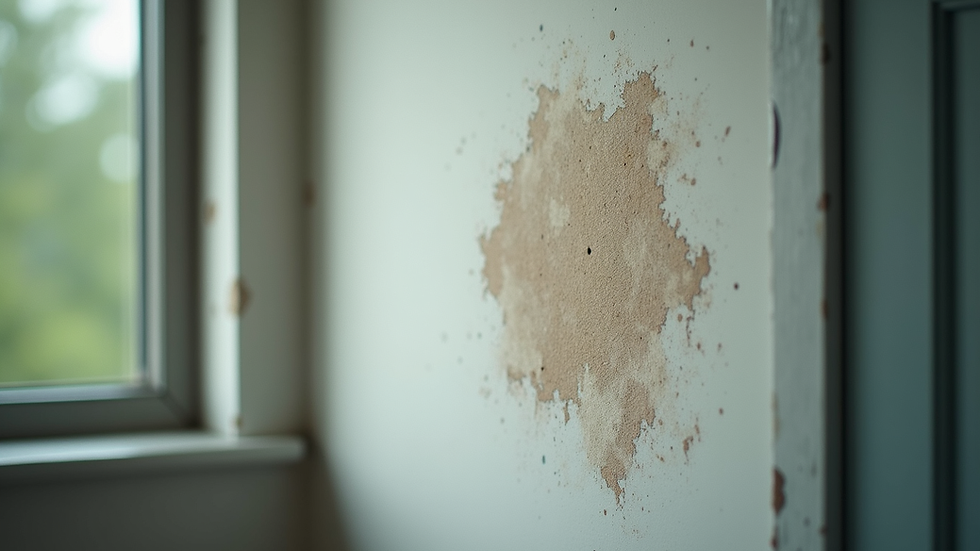
Peeling or blistering paint
Musty smells
Mould growth on walls or ceilings
Damp patches or water stains
Crumbling plaster or salt deposits on walls
If you notice any of these, it is time to act. Ignoring damp can lead to structural damage and health risks.
Choosing the Right Damp Wall Repair UK Method
Once you know the cause, you can select the best repair method. Here are the most common treatments used in the UK:
Damp Proof Course (DPC) Injection
This method involves injecting a chemical damp proof course into the wall to stop rising damp. It creates a barrier that prevents moisture from rising up through the bricks.
External Wall Repairs
For penetrating damp, fixing cracks, damaged pointing, or faulty gutters is essential. Repointing brickwork and sealing leaks stop water from entering the walls.
Improving Ventilation
Condensation problems often improve with better airflow. Installing extractor fans, vents, or using dehumidifiers can reduce moisture build-up.
Internal Wall Treatments
Applying breathable, anti-mould paints and plasters helps protect walls from damp damage. These treatments allow moisture to escape while preventing mould growth.
Damp Proof Membranes
In some cases, installing a damp proof membrane inside walls or floors is necessary to block moisture.
Each treatment suits different situations. Sometimes, a combination of methods works best. For example, fixing external leaks and injecting a DPC can solve both penetrating and rising damp.
I recommend consulting a specialist to assess your property. They can advise on the most effective and permanent solution.
Can a Damp House Cause COPD?
Living in a damp home can affect your health. Damp walls encourage mould growth and increase indoor humidity. This environment can worsen respiratory conditions like Chronic Obstructive Pulmonary Disease (COPD).
COPD is a lung disease that makes breathing difficult. Damp and mould spores irritate the lungs and trigger symptoms such as coughing and wheezing. People with asthma or allergies also suffer more in damp homes.
Reducing dampness improves air quality and helps protect your health. That is why effective damp wall repair UK is not just about property maintenance. It is about creating a safe and comfortable living space.
If you or someone in your household has respiratory issues, addressing damp problems should be a priority.

How to Prevent Damp Walls in UK Homes
Prevention is better than cure. Once you fix damp walls, take steps to stop it coming back. Here are practical tips to keep your home dry:
Maintain gutters and downpipes to prevent water overflow.
Check roof tiles and flashing for damage regularly.
Ensure good ventilation in kitchens, bathrooms, and bedrooms.
Use extractor fans when cooking or showering.
Keep heating consistent to avoid cold spots where condensation forms.
Avoid drying clothes indoors or use a tumble dryer with an external vent.
Seal cracks and gaps around windows and doors.
Install a damp proof course if your home does not have one.
Regular inspections help catch problems early. If you spot damp signs, act quickly to avoid costly repairs.
Finding Trusted Damp Wall Treatment UK Specialists
Choosing the right professional is key to successful damp wall repair. Look for specialists who:
Offer thorough damp surveys before any work
Provide clear, honest advice without unnecessary treatments
Use proven, high-quality materials
Have good local reputation and reviews
Are familiar with local building conditions in County Durham
A reliable specialist will explain the cause of damp and recommend the best solution. They will also give you a written report and guarantee for the work.
If you want to learn more about effective damp wall treatment UK, visit trusted local providers. They can help you solve damp problems accurately and permanently.
Taking Action for a Dry, Healthy Home
Damp walls are a serious issue but one you can solve with the right approach. Start by identifying the cause and choosing the correct repair method. Use professional advice to avoid mistakes and unnecessary costs.
Remember, damp affects both your property and your health. Fixing it improves your home’s value and comfort. Follow prevention tips to keep damp away for good.
If you see signs of damp in your home, don’t delay. Contact a specialist for a survey and get your walls repaired properly. A dry home is a happy home.
By following these steps, you can protect your property and enjoy a healthier living environment. Effective damp wall repair UK is within your reach. Take control today and secure your home against damp problems.


Comments