
Understanding the Importance of a Damp Survey for Your Home
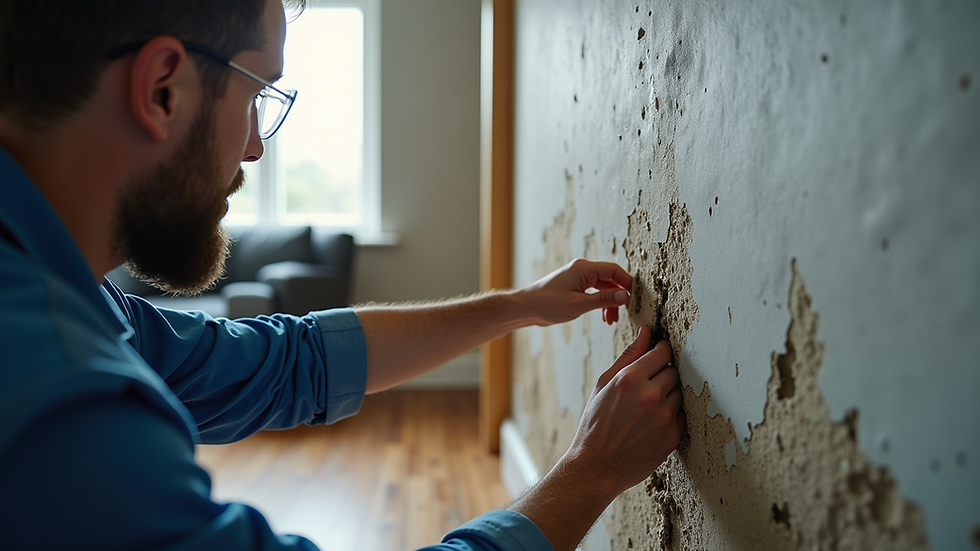
Damp problems in homes can cause serious damage if left unchecked. Many homeowners only discover these issues when visible signs appear, such as peeling paint or musty smells. By then, the damage might already be extensive and costly to repair. A damp survey offers a way to identify and address moisture problems early, protecting your home’s structure and your family’s health.

What Is a Damp Survey?
A damp survey is a detailed inspection carried out by a qualified surveyor to detect moisture issues in a property. The surveyor examines walls, floors, ceilings, and other areas prone to dampness. They use specialized tools like moisture meters and thermal imaging cameras to find hidden damp spots that are not visible to the naked eye.
The survey report outlines the type of damp present, its cause, and recommendations for treatment. Common types of damp include:
Rising damp: Moisture rising from the ground through walls due to faulty or missing damp-proof courses.
Penetrating damp: Water entering through damaged roofs, walls, or windows.
Condensation: Moisture buildup inside the home caused by poor ventilation or heating.
Why You Should Get a Damp Survey
Ignoring damp problems can lead to serious consequences. Here are key reasons why a damp survey is essential:
Protect Your Home’s Structure
Moisture weakens building materials like plaster, brick, and timber. Over time, this can cause crumbling walls, rotting wood, and even structural instability. Early detection through a damp survey helps prevent costly repairs.
Improve Indoor Air Quality
Damp environments encourage mold and mildew growth, which release spores harmful to health. These can trigger allergies, asthma, and respiratory problems. A damp survey identifies problem areas so you can take action to improve air quality.
Increase Property Value
If you plan to sell your home, a damp survey can reassure buyers that the property is sound. It also helps you avoid surprises during the sale process that could reduce your home’s value or delay the transaction.
Save Money on Repairs
Fixing damp issues early is usually less expensive than dealing with advanced damage. For example, repairing a small leak or improving ventilation costs less than replacing rotten timber or rebuilding walls.
What to Expect During a Damp Survey
A typical damp survey takes about one to two hours depending on the property size. The surveyor will:
Inspect all accessible areas inside and outside the home.
Use moisture meters to measure damp levels in walls and floors.
Check for signs of mold, peeling paint, and water stains.
Examine gutters, downpipes, and roofing for leaks.
Assess ventilation and heating systems.
Provide a detailed report with findings and recommendations.
Common Causes of Dampness in Homes
Understanding what causes damp helps homeowners prevent it. Some common causes include:
Faulty damp-proof course: Older homes may lack a proper barrier to stop moisture rising from the ground.
Leaking gutters or pipes: Blocked or broken gutters allow water to seep into walls.
Poor ventilation: Without enough airflow, condensation builds up on cold surfaces.
Damaged roofing or flashing: Cracks or missing tiles let rainwater in.
Groundwater issues: High water tables or poor drainage can increase moisture levels around foundations.
How to Prevent Damp Problems
After identifying damp issues, you can take steps to reduce moisture in your home:
Repair or install a damp-proof course.
Fix leaks in gutters, pipes, and roofs promptly.
Improve ventilation by using extractor fans or opening windows regularly.
Use dehumidifiers in damp-prone rooms.
Maintain gutters and drains to ensure proper water flow.
Insulate walls and floors to reduce cold surfaces where condensation forms.
When to Get a Damp Survey
Consider scheduling a damp survey if you notice:
Musty or moldy smells inside your home.
Peeling or blistering paint and wallpaper.
Damp patches or water stains on walls and ceilings.
Rotting wood or crumbling plaster.
Increased allergy or respiratory symptoms among household members.
You are buying an older property or one with a history of damp problems.
Choosing the Right Surveyor
Select a surveyor with experience in damp detection and treatment. Look for certifications from recognized bodies such as the Property Care Association (PCA) or the Royal Institution of Chartered Surveyors (RICS). A professional surveyor will provide a clear, unbiased report and practical advice.


Comments